
1st San Diego Salsa Festival 2007: Community Growth and Congress Momentum
The first San Diego Salsa Festival in 2007 was more than another weekend event. It was a statement that the local scene had matured enough to sustain major congress-style programming.

Why the event mattered
Local demand was real
The festival answered a long-running question: could San Diego support large-scale salsa infrastructure? Attendance and floor activity suggested yes.
Organizers aimed beyond local comfort zone
Angel and Tulane Rivera, with production support and external collaborations, positioned the event to include both local favorites and recognized out-of-town talent.
Workshop demand challenged capacity
Reports of strong workshop attendance highlighted both success and a practical lesson: space planning matters when growth outpaces venue assumptions.

Social night observations
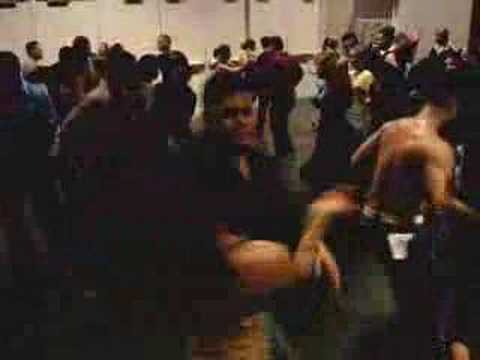
One of the clearest signs of event success was social-floor density. Packed rooms, cross-city dancers, and sustained late-night activity created the kind of energy that people remember and travel for.

Local talent presence
San Diego's own dancers and teams helped define the event identity. That local anchor is important: sustainable festivals need both guest attractions and home-scene pride.

Production lessons from a first major edition
First-year events always reveal operational pressure points. This festival showed three common ones:
- workshop room capacity vs pass demand,
- ballroom climate control under peak social traffic,
- camera/media logistics in high-humidity crowded dance spaces.
None of these erase success; they are normal scaling lessons.
Why regional festivals matter
Mega-congresses get most headlines, but regional festivals are often where local scenes become sustainable. They give nearby dancers consistent goals, create local pride, and reduce travel barriers for newer community members.
When a city can host and maintain a quality annual event, the entire local ecosystem usually improves: classes, social attendance, performance teams, and inter-city exchange.
That is why this first edition had significance beyond one weekend. It signaled long-term potential for San Diego to be treated as a destination scene rather than just a satellite to larger markets.
Final takeaway
The 2007 debut showed that San Diego could host a meaningful salsa destination event with strong social dancing, credible programming, and community buy-in.
That kind of first edition matters because it sets the tone for what comes next.