Why Salsa Music Feels So Flavorful: Live Energy, Arrangements, and Emotion
Some days you hear one live salsa track and your mood improves instantly.
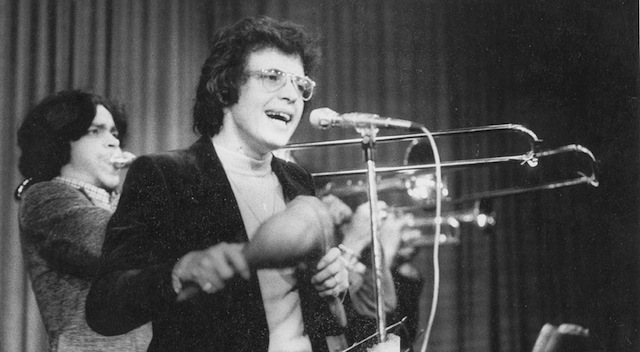
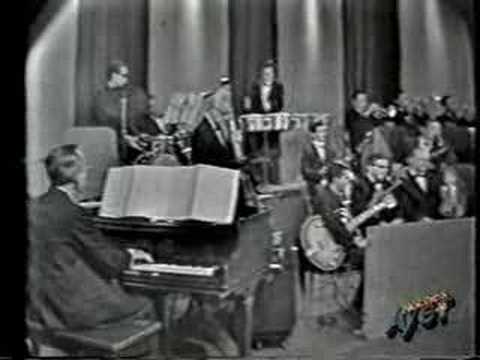
That is what triggered this post. There is a depth to salsa arrangements, especially in live settings, that is hard to replicate in simpler genres: dynamic percussion layers, piano montuno tension/release, vocal improvisation, and crowd-feedback energy.
Why live salsa hits differently
- arrangements breathe more than studio edits,
- solos can stretch into real emotional arcs,
- descargas create unpredictability and excitement,
- the band-audience feedback loop changes performance intensity.
What “flavor” means in practical music terms
In salsa context, flavor is not just tempo or volume. It is usually a layered combination of:
- rhythmic conversation between percussion and piano,
- call-and-response vocal dynamics,
- harmonic tension and release in arrangements,
- and performer personality in improvisational moments.
That is why two bands can play the same chart and produce very different emotional impact.
The original discussion referenced "Aguzate" (Richie Ray & Bobby Cruz) as a perfect example of that live electricity.
Additional live references shared in the post:
El Hijo de Obatala (live)
Indestructible (live version context)
Final takeaway
Salsa is not just dance music. It is arrangement art plus rhythm science plus emotional storytelling.
If you ever feel disconnected from practice, spend 20 minutes with live classics. It usually resets everything. Another useful exercise is to compare a studio version and live version of the same song back-to-back and note what changes your body wants to do. That listening habit can improve both DJ taste and social musicality faster than most dancers expect. It also makes you appreciate arrangers and bandleaders more deeply, which is part of becoming a truly informed salsero.