Salsa Style Is Fluid: How the Same Dancer Changes by Context
A lot of dancers ask the same question after watching videos: "Why does this dancer look different here than there?"
Short answer: because style is contextual.
Long answer: a strong salsa dancer should be able to adapt expression, movement size, and risk level based on setting. Social dancing, stage performance, and competition each reward different decisions.
Style is not a static identity
Your dance style evolves over years as your body control, musicality, confidence, and influences evolve.
So if your movement from 2023 does not look like your movement from 2026, that can be a sign of growth, not inconsistency.
Same dancer, different situation
Here are common context shifts that change style output:
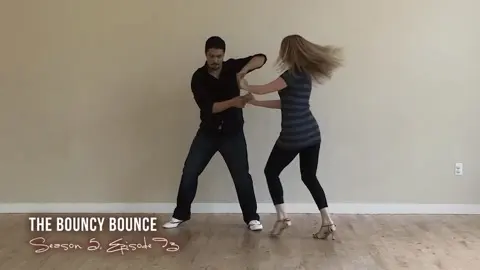
- Social floor: connection and comfort first.
- Competition: precision, clarity, and impact under pressure.
- Performance stage: projection and visual storytelling for audience readability.
When dancers ignore these context differences, they often underperform in one or more settings.
What to observe in style comparisons
When comparing clips of the same dancer, avoid superficial judgments and watch these technical variables:
- movement compactness,
- transition speed,
- rhythm emphasis,
- pattern risk selection,
- and posture under fatigue.
Those details tell you whether style changes are intentional and skill-based.
Practical training takeaway
If you want more versatile salsa style, train in three lanes:
- One social-focused round (connection quality).
- One performance-focused round (line and projection).
- One musicality-focused round (phrasing and accents).
This keeps your style flexible without losing your personal identity.
Final thought
There is no single "correct" salsa style for every situation.
The best dancers are not rigid. They are adaptable. Style fluidity is not confusion, it is maturity.