Different Styles of Salsa: A Video Comparison for Social Dancers
One of the fastest ways to improve as a dancer is to stop thinking of salsa as a single monolithic style.
Salsa is a family of related movement languages shaped by geography, music emphasis, teaching lineages, and social-floor culture. If you only watch one lane, you miss the bigger picture.
This post compares several major styles using video examples so you can train your eye and make smarter choices about your own development.
Cuban style (Casino)
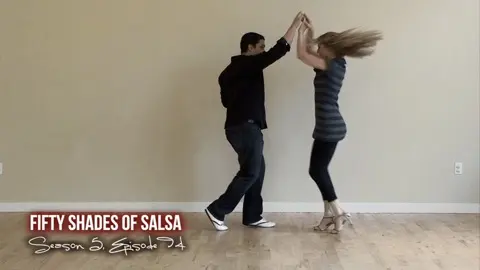
Cuban-style salsa often emphasizes circular pathways, body rhythm, and partner interaction with a more rotational feeling than slot-based styles.
Colombian style
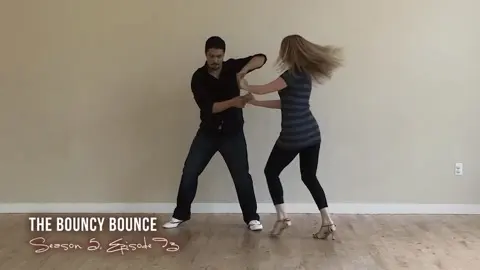
Colombian influences often highlight fast footwork, rhythmic agility, and strong timing precision, especially in social and performance contexts tied to regional music traditions.
Puerto Rican style
Puerto Rican social and performance influences have contributed heavily to modern cross-body ecosystems, often blending clean partnerwork with strong musical interpretation.
New York style (On2 / Mambo lineage)
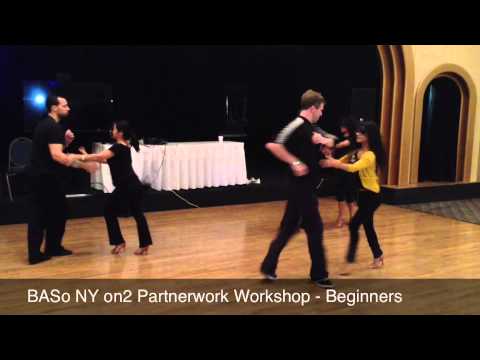
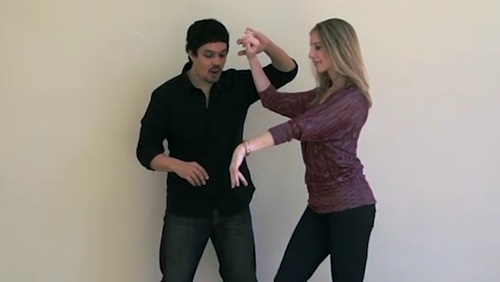
NY On2 frameworks are commonly associated with phrasing sensitivity, smoother center control, and timing choices deeply connected to mambo history and social club culture.
LA style
LA style became globally visible through high-energy stage presentations, cleaner visual lines, and performance-driven structure while still rooted in social dance fundamentals.
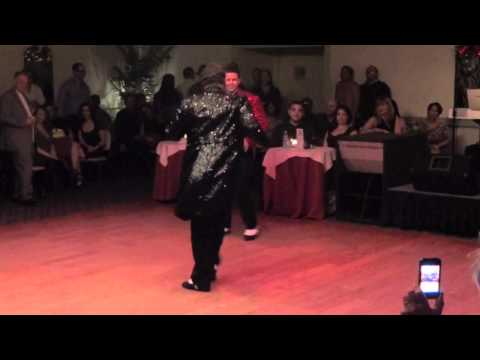
Bonus comparison clip
Seeing another team in a related but distinct presentation context helps train contrast awareness.
How to study style differences without getting lost
Use this framework when comparing clips:
- Pathway: circular vs slot-heavy movement.
- Timing feel: where accents and pauses are emphasized.
- Body motion: compact vs expansive styling.
- Partner communication: lead-follow texture and pacing.
- Music relationship: how movement maps to song structure.
Avoid simplistic labels like "better" or "worse." Ask: "What is each style optimized for?"
Should you pick one style only?
Early on, focus depth helps. But over time, studying multiple styles usually makes you a better social dancer because you become more adaptable and musically aware.
You do not need to copy everyone. Learn from everyone, then refine your own voice.
Final takeaway
Different salsa styles are not contradictions; they are perspectives.
The more you understand each style's logic, the easier it becomes to dance with more people, enjoy more music, and grow faster without style confusion.