How To Keep Dancing Salsa on a Budget: A Practical Recession-Proof Guide
When money gets tight, many dancers assume the first thing to cut is salsa.
It does not have to be.
Yes, costs add up quickly: group classes, club cover, parking, gas, late-night food, shoes, and all the little extras. But if your goal is to keep improving and stay connected to the dance community, there are smart ways to reduce costs without stalling progress.
This post expands on budget-friendly ideas and adds a practical system you can actually maintain.
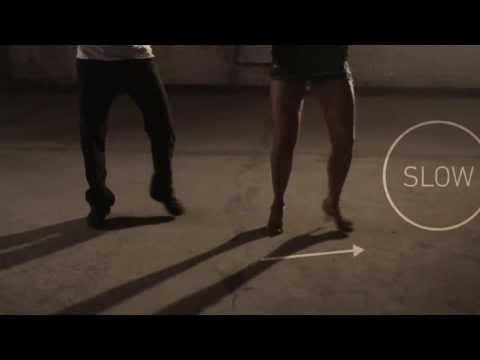
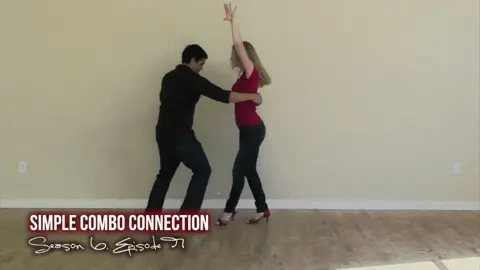
1) Use free video training intentionally (not randomly)
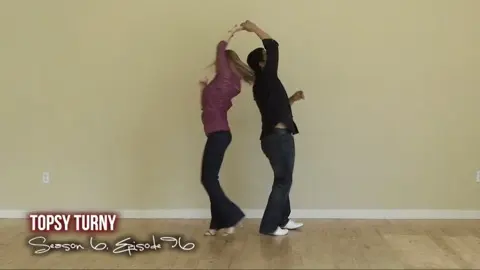
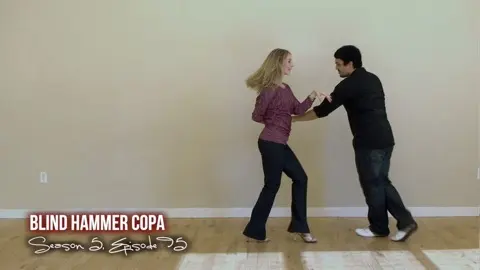
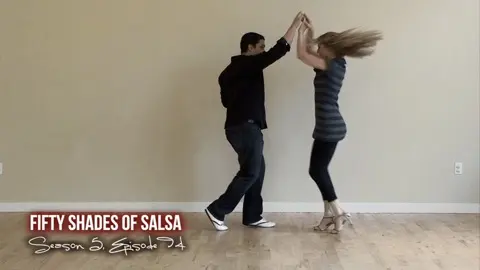
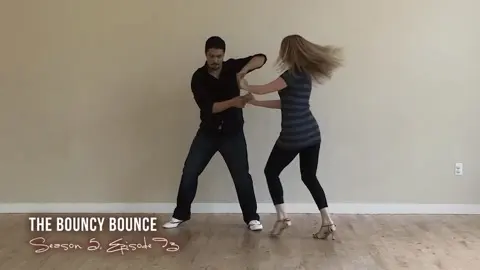
You can learn a surprising amount from free salsa video lessons if you use a structure.
Instead of jumping between random clips, build a weekly sequence:
- one day basics and timing,
- one day turn technique,
- one day body movement,
- one day pattern integration.
Then social dance to test what sticks.
Free platforms are powerful when you treat them like a curriculum.
2) Build a no-cost music study routine
Musical growth does not require paid playlists.
Use free streaming/radio tools and focus on:
- identifying tempo ranges you can dance cleanly,
- learning artist names and recurring rhythm feels,
- practicing basic timing across different orchestral styles.


The key is consistency, not platform brand.
3) Host low-cost home socials
A home social can dramatically reduce weekly spending while keeping your dance momentum alive.

Simple format:
- rotate hosts monthly,
- potluck snacks/water,
- shared playlist,
- clear floor-safety rules,
- optional practice segment before open social time.
No, it does not replace big club energy. But it keeps community and reps alive for a fraction of the cost.
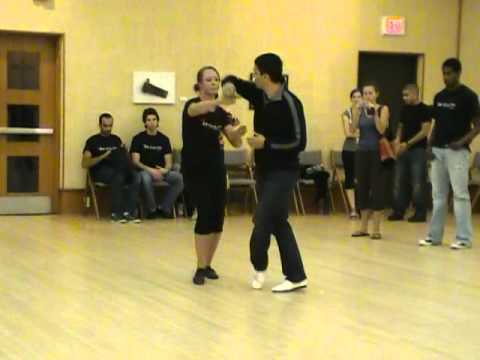
4) Create collaborative learning circles
Some of the strongest salsa communities started with tiny peer groups teaching each other in borrowed spaces.
A small 4-8 person training group can split studio rental and rotate teaching themes:
- one person leads shines,
- another teaches turn prep,
- another focuses on musicality drills.
Collaborative learning creates accountability and lowers costs.
5) Spend strategically, not emotionally
If budget is tight, prioritize purchases that give long-term value:
- quality shoes over impulse clothing,
- one or two key workshops over many random classes,
- fuel-efficient event planning (fewer, better nights out).
A simple monthly dance budget prevents burnout.
6) Use free community channels for support
Forum threads, social groups, and local chat spaces can solve many questions without private lesson costs, especially for beginner/intermediate issues.
When you do pay for coaching, arrive with specific questions so you maximize each dollar.
7) Remember the core principle
You do not need expensive routines to keep growing. You need:
- regular practice,
- good music exposure,
- partner feedback,
- and community connection.
Those are often inexpensive when organized well.
8) Build a realistic monthly salsa budget
Most dancers never calculate true dance spending. Do one month of tracking and you will immediately find savings.
Include:
- class fees,
- club cover,
- parking,
- fuel,
- rideshare costs,
- food/drinks,
- shoes/clothing.
Then create three budget tiers:
- Minimum viable dance month (core classes + one social per week).
- Comfort month (adds workshops/special events).
- Peak month (congresses/travel).
This removes guesswork and prevents financial guilt from killing motivation.
9) Use “skill rotation” to avoid paying for everything at once
You do not need to improve every area simultaneously. Rotate your focus by month:
- Month A: timing + basics,
- Month B: turns + spins,
- Month C: musicality + styling.
When focus rotates, you can choose fewer classes and more targeted resources, which usually costs less and works better than generic overconsumption.
10) Learn from social nights without buying extra instruction
Every social can become a free diagnostic lab if you are intentional.
Try this checklist after each night:
- Which songs made you lose timing?
- Which pattern transitions failed?
- Which partners felt easy or difficult and why?
- Which musical moments did you miss?
Write 3 short notes in your phone. Use those notes as your home practice plan. This loop converts social nights into structured education.
11) Save money on congresses and events without missing growth
Congresses are valuable but expensive. To keep the benefit while cutting cost:
- choose one or two high-impact events per year,
- share accommodation with trusted dancers,
- attend with a workshop plan (not random class hopping),
- skip unnecessary daytime spending,
- prioritize social dancing and one or two top instructors.
A strategic congress can give months of training material if you document what you learned.
12) Build a local “resource exchange” network
Many scenes have dancers with complementary strengths:
- someone excellent at shines,
- someone strong in partnerwork,
- someone great with music analysis,
- someone with space for practice.
Create a small exchange culture where people trade focused help. This is often better than paying repeatedly for broad classes you are not ready to absorb yet.
13) Keep gear costs low with a replacement schedule
Shoes and apparel can quietly drain budgets.
Use a simple policy:
- one social pair,
- one practice pair,
- replace only when traction/support declines measurably.
For practice, prioritize function over appearance. Save style-heavy spending for events where it matters.
14) Protect your body to avoid expensive setbacks
Injuries are the most expensive dance cost nobody budgets for.
Low-cost prevention habits:
- short warm-up before dancing,
- hydration plan,
- cooldown stretch,
- avoid fatigue-based ego moves late at night.
Missing one month due to avoidable injury costs far more than any “saved” class fee.
15) Keep the motivation engine alive
Budget mode can feel restrictive unless you preserve joy.
Use low-cost motivation:
- themed home practice nights,
- monthly playlist exchange with friends,
- mini challenge goals (clean double turn, smoother CBL, etc.),
- occasional social-only night with zero performance pressure.
Salsa survives budget seasons when the fun remains intact.
Budget FAQ for dancers
“Should I stop all classes and only use free videos?”
Not usually. A hybrid model works better: some classes for correction, videos for repetition, socials for application.
“What if my city has expensive nightlife only?”
Prioritize day socials, house socials, community practice sessions, and shared transportation plans.
“Can I still improve a lot with just one class per week?”
Yes, if you combine it with targeted home practice and regular social reps.
“How do I avoid burnout when spending less?”
Set clear goals, track progress, and keep one purely fun dance session each week.
Sample “low-cost salsa month” template
If it helps, here is a practical template many dancers can adapt:
- 4 group classes (one per week)
- 4 socials (one per week, alternating venues)
- 2 home-practice sessions per week
- 1 collaborative practice meetup with friends
- 1 free online workshop/video deep-dive day
Cost controls for this template
- Carpool to socials whenever possible.
- Eat before going out to avoid expensive late-night spending.
- Bring water and a change shirt (where venue rules allow).
- Pick one clear technical focus for the month to avoid random workshop purchases.
Example focus month: “better spins”
In one month you can improve noticeably by staying focused:
- Week 1: posture + axis drills.
- Week 2: spotting and controlled doubles.
- Week 3: spin entries from common partnerwork.
- Week 4: social-floor application under pressure.
No expensive extras required, just deliberate practice.
What to skip first when money is tight
In descending order, these are often easiest to reduce without hurting progress:
- impulse apparel buys,
- unnecessary rideshares,
- multiple club nights with no training objective,
- random workshops outside your current level.
Protect your fundamentals budget first (core classes, shoes that support you, and practice time).
Long-term mindset: think in years, not weekends
The dancers who survive economic ups and downs are not necessarily the ones spending the most. They are the ones who build durable habits:
- consistent weekly movement,
- a small trusted dance network,
- repeatable low-cost practice systems,
- and periodic skill checkpoints.
If your routine can survive a difficult financial season, it will likely survive anything else too. That kind of sustainability is what turns a short salsa phase into a real dance lifestyle.
One practical rule: every month, keep at least one activity from each bucket alive:
- learning (class, video study, or workshop notes),
- practice (solo drills or partner reps),
- community (social night, house social, or meetup).
If those three continue, your progress line rarely breaks.
Final takeaway
A budget season does not have to become a no-progress season. With smart planning, you can stay active, keep learning, and even deepen your fundamentals.
Salsa has always thrived on community creativity. This is just one more place to apply it.