If Only DDR Had More Cha-Cha: Why Rhythm Games Can Help Dancers
Rhythm games are fun, but they are also underrated training tools.
Anyone who has played Dance Dance Revolution (DDR) or Pump It Up seriously knows they can improve reaction speed, coordination, and foot discipline. For salsa dancers, that can translate into cleaner shines and sharper timing.
The missing piece has always been genre depth. If these systems had stronger cha-cha and salsa-focused soundtracks, they would be even more useful for Latin dancers.
What rhythm games can train well
- beat reaction speed,
- lower-body coordination,
- consistent weight transfer under tempo pressure,
- foot memory for quick directional changes.
No, they do not replace partnerwork or connection quality. But as supplemental drills, they can absolutely help.
How to use them intelligently
- Treat game sessions as timing/footwork training, not just score chasing.
- Keep posture awareness so habits transfer to real dance.
- Follow game practice with 10-15 minutes of actual salsa or cha-cha basics.
That combo helps bridge "game movement" into dance movement.
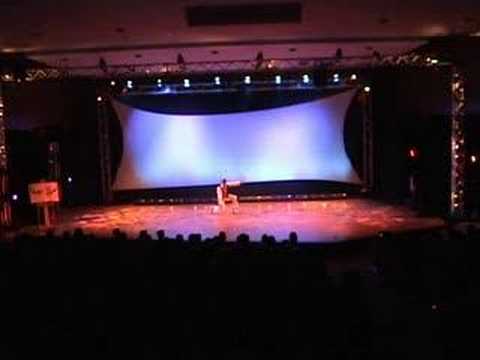
The competitive side has grown too. There are world-level rhythm-game events now, and top players often show impressive musical reflexes and creativity.
Final takeaway
If you like rhythm games, keep using them. They are not a gimmick when used with purpose. Add real dance fundamentals on top, and you get a fun low-cost way to build speed and control.
And yes, we still want more cha-cha tracks.