Quick Salsa Tips Every Social Dancer Should Know
Not every useful salsa lesson needs a 40-minute workshop. Many of the biggest improvements in social dancing come from small habits that compound over time.
This is a modernized collection of practical salsa tips for beginners and intermediate dancers who want better socials, better partner connection, and fewer avoidable mistakes.
1) Timing comes before everything
You can survive limited pattern vocabulary. You cannot survive unstable timing.
If you are overwhelmed, reduce complexity and return to:
- clean basic step,
- clear break timing,
- reliable weight transfer,
- and consistent rhythm through transitions.
Strong timing makes even simple dancing feel professional.
2) Learn in class, test on the social floor
Classes are where you receive concepts. Socials are where you prove understanding.
After every class, pick one thing to apply that same week:
- one lead cue,
- one follow response,
- one footwork detail.
Without social application, class information decays fast.
3) Treat dance etiquette as part of technique
Great social dancers are not only technically good. They are pleasant to dance with.
Core etiquette reminders:
- Ask with respect.
- Accept "no thanks" gracefully.
- Keep movement size appropriate to floor density.
- Avoid carrying drinks onto the dance floor.
- Walk around the floor edge when not dancing.
Floor culture improves when everyone contributes.
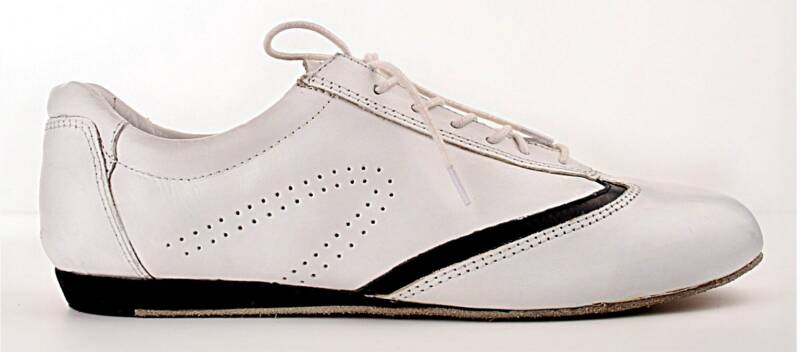
4) Dancewear and shoes are performance tools
Clothing and footwear affect movement quality more than people think.
Use dance-friendly choices:
- breathable fabrics,
- unrestricted shoulder/hip movement,
- shoes that allow pivot without knee strain.
Avoid sticky rubber soles for spin-heavy socials. If you use suede dance shoes, brush and maintain soles regularly.
5) Leading is communication, not force
Leaders should prioritize signal clarity over power.
A good lead:
- starts early,
- is directional and readable,
- and leaves enough time for the follow to complete movement safely.
If a move keeps failing, reduce force and increase timing precision.
6) Following is not passive
Followers are not "waiting to be moved." Great following is active listening through frame, timing, and balance.
Strong followers:
- maintain their own timing center,
- respond quickly but without anticipation,
- and contribute musical personality when space allows.
That combination feels amazing to dance with.
7) Eye contact and expression matter
Salsa is social communication through rhythm and body language. If you look stressed the whole song, partner comfort drops even if technique is fine.
Simple improvements:
- occasional eye contact,
- relaxed face,
- micro-smiles when something works,
- and calm recovery when something does not.
These details raise dance quality immediately.
8) Cuban motion and body rhythm: keep it natural
Different schools teach different interpretations of the 4/8 pause, tap, or body action. What matters most is that your movement matches timing and does not look forced.
Good body rhythm is a result of proper footwork and weight change, not artificial hip wiggling.
Train from the floor up:
- feet place timing,
- knees absorb rhythm,
- hips reflect transfer,
- torso stays organized.
9) Fitness, hydration, and stamina are dance skills
Many dancers plateau because they ignore recovery.
Practical reminders:
- hydrate before and during socials,
- limit alcohol if you want clean timing,
- warm up ankles/hips before first dance,
- and cool down after long nights.
Salsa is athletic. Treat your body accordingly.
10) Practice plans beat random practice
"I practiced a lot" is vague. Use focused sessions.
Sample 30-minute home drill:
- 10 min basics and timing.
- 10 min turn prep/spotting.
- 10 min musical accents and pauses.
Track one correction per session. Progress accelerates when practice is measurable.
11) Your partner's comfort is your quality score
On social floors, partner comfort is the true KPI.
Ask yourself:
- Was my lead/follow readable?
- Did we stay safe in traffic?
- Did I adapt when needed?
- Did the dance feel collaborative?
A technically simple but comfortable dance usually gets invited again.
12) Keep your upper body alive, not stiff
Salsa is neither rigid ballroom posture nor uncontrolled flailing. Aim for organized freedom.
- frame stays connected,
- shoulders stay relaxed,
- arms carry intention,
- chest and torso breathe with rhythm.
This balance gives the "latino look" many dancers chase.
13) Do not confuse social dancing with competition
Most socials are not auditions.
You do not need to prove dominance in every song. You need to share music with your partner and keep the experience enjoyable.
When dancers relax this mindset, their timing and creativity often improve naturally.
14) Floorcraft is non-negotiable
A crowded venue punishes oversized patterns.
Essential floorcraft skills:
- shorten slot length,
- reduce arm extensions,
- keep turns compact,
- scan surroundings before momentum moves.
Safe dancers are trusted dancers.
15) Build community, not just technique
Salsa scenes grow when dancers support each other:
- welcome newcomers,
- encourage improvements,
- correct with kindness,
- and celebrate progress.
Technical excellence without community energy usually creates cold dance floors.
16) Quick checklist before each social
Use this 60-second prep:
- Timing mindset: "clean basics first."
- Safety mindset: "adapt to space."
- Partner mindset: "comfort and communication."
- Musical mindset: "listen before forcing patterns."
That reset prevents most avoidable mistakes.
17) Why these "small tips" matter for long-term progress
Many dancers chase advanced combinations while skipping basics that actually determine social success.
These tips look simple, but they improve:
- invitation frequency,
- partner trust,
- confidence under pressure,
- and retention in the salsa scene.
In short: they keep people dancing.
18) Keep a tiny post-social review habit
Before you sleep, write down:
- one thing that felt better tonight,
- one mistake that repeated,
- one focus for next session.
This 2-minute review creates continuity between socials and accelerates progress far more than passive "watching more videos."
Final takeaway
Salsa growth is not mysterious. It is mostly the result of consistent fundamentals, respectful partner behavior, and smart practice choices over time.
If you apply even five of these tips this month, your dancing will feel cleaner, safer, and more enjoyable for both you and your partners.
And if you feel overwhelmed, start with three habits only: clean timing, better floorcraft, and respectful partner communication. Those three alone solve most social-dance problems.
Add those habits first, then layer styling and complex patterns later. That order saves months of frustration.
Final takeaway
Salsa improvement is not only about collecting moves. It is about timing, awareness, etiquette, and emotional intelligence on the dance floor.
Master these fundamentals and your dancing will look cleaner, feel better, and become far more enjoyable for everyone around you.
If your goal is steady progress, keep returning to these fundamentals monthly; they are the base layer behind nearly every advanced-looking social dancer.
Mastering small fundamentals is still the fastest route to noticeable improvement.