Salsa Cruise 2006 Jack & Jill Contest: Why Dance-at-Sea Events Are Unique
Salsa cruises have a unique appeal: they combine vacation energy with nonstop dance culture.
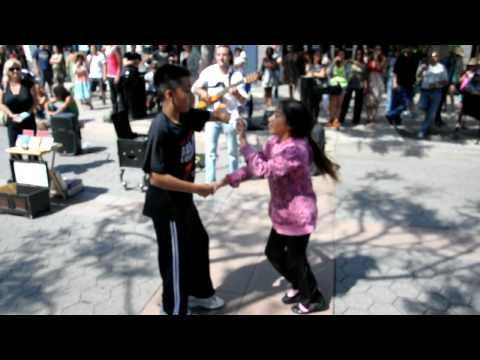
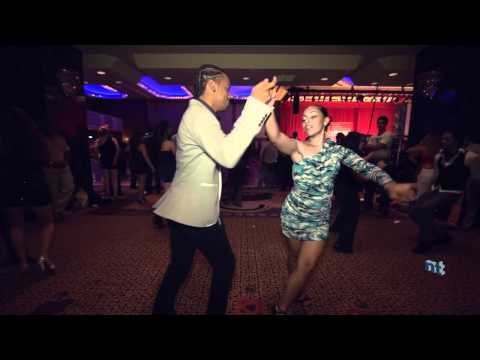
This Jack & Jill clip from the 2006 All-Star Salsa Cruise gives a good glimpse of why dancers love these events.
Why salsa cruises feel different from standard congresses
A normal congress gives you workshops, socials, and shows in one city. A salsa cruise adds a "closed ecosystem" effect: dancers, DJs, bands, and instructors share the same moving venue for days.
That creates:
- more repeated social dancing with the same high-level crowd,
- faster community bonding,
- and a stronger sense of dance immersion.
What Jack & Jill reveals about real skill
Jack & Jill formats matter because they test adaptability. Partners are often not fixed in advance, so dancers must communicate quickly, stay musical, and make clean choices under uncertainty.
In other words, it rewards social-dance quality, not only rehearsed choreography.
Music note from the original post
The track reference tied to Tommy Olivencia and "Plante Bandera" is a useful reminder of how strong song selection elevates contest atmosphere. Great salsa contests work best when the music pushes dancers to show timing and personality, not just speed.
Should you try a salsa cruise?
If you are considering one, ask yourself:
- Do you enjoy long blocks of social dancing?
- Do you want more community interaction outside normal club hours?
- Are you prepared for intense dance volume over several days?
If yes, a cruise can feel like a salsa congress at sea, with more continuity and less commuting.
Final takeaway
This clip is fun to watch, but it is also a case study in social dance adaptability, event design, and music-driven energy.
For dancers looking to level up both skills and network, salsa cruises can be a very strong experience.