Take the Lead (or Follow): Why Role Switching Makes You a Better Salsa Dancer
One of the most underrated ways to improve in salsa is simple: spend time on the other role.
If you usually lead, learn to follow. If you usually follow, learn to lead.
It is humbling, often funny, sometimes awkward, and almost always educational.
Why role switching works
You understand partner challenges directly
No amount of theory replaces feeling what your partner feels in real time.
Your communication becomes cleaner
Leaders stop over-forcing. Follows become more precise in response timing.
Your social dancing gets more creative
Role-flexible dancers tend to improvise better and recover faster when songs or floor conditions get chaotic.
Performance examples worth watching
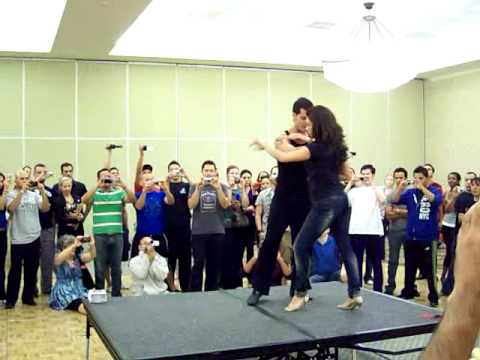
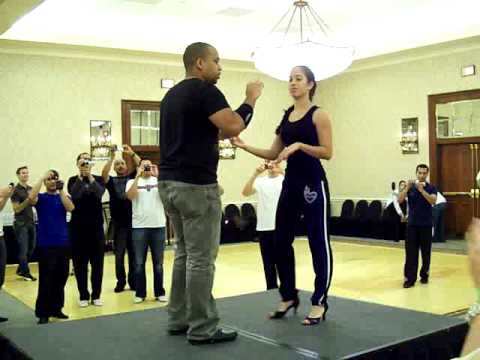
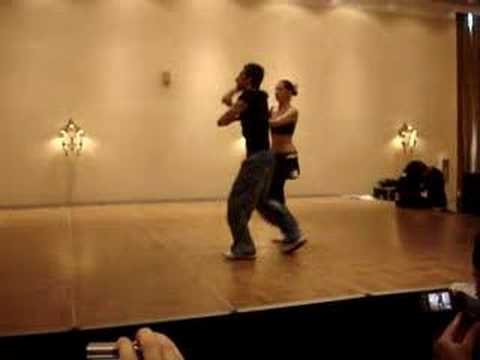
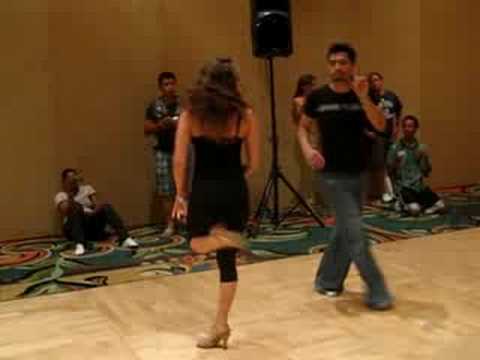
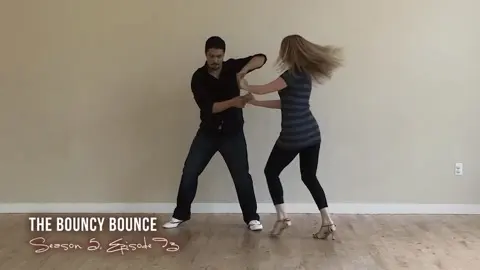
The original post highlighted examples including:
- Jorjet leading Jennifer Stein,
- David Stein leading Jayson Molina,
- and a tango clip with subtle lead/follow changes.
These examples show how role changes can be musical and elegant, not gimmicky.
Social-floor application idea
If your scene is open to experimentation, try one song where both partners switch roles at pre-agreed points.
In rueda contexts, moves like "ladron" (thief) can trigger mid-song role dynamics that audiences and dancers both enjoy.
Practical role-switch drill
Try this 15-minute partner drill:
- 3 minutes: normal roles, basic and CBL only.
- 3 minutes: switch roles and repeat at slow tempo.
- 3 minutes: switch back and identify what felt different.
- 3 minutes: one simple combo each role.
- 3 minutes: freestyle with one planned role switch.
This format improves empathy and timing awareness very quickly.
Common fears (and answers)
“Will role switching make me worse at my main role?”
No. It usually sharpens your main role because you understand partner needs better.
“What if it feels awkward?”
Good. Awkward means you are learning. Keep complexity low and focus on connection quality.
Final takeaway
Role switching is not about breaking tradition for the sake of novelty. It is about becoming a more complete dancer.
The more perspectives you can dance from, the better your timing, empathy, and connection become.