Salsa Technicals: Multiple Spins and Fluid Turning
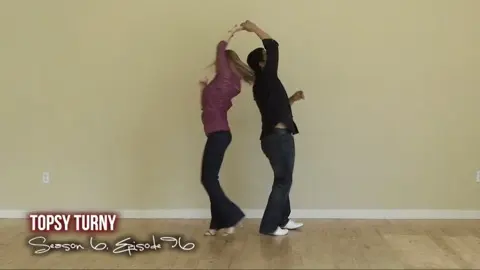
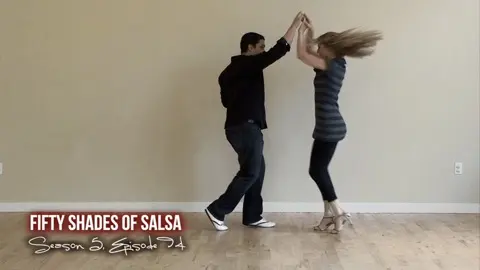
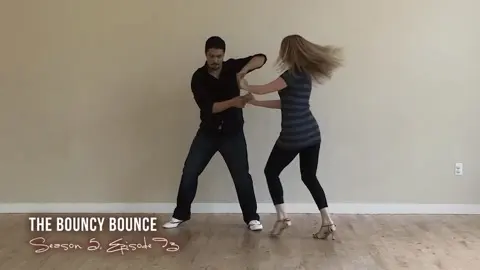
Multiple spins in salsa are not a strength contest. They are a timing-and-physics conversation between lead and follow.
Most dancers try to fix spins by adding force. That usually makes everything worse. Good spinning feels effortless because the mechanics are clean from the start.
What actually creates clean multi-spins
Think in sequence, not in isolated tricks:
- Prep creates alignment and readiness.
- First turn sets speed, axis, and direction.
- Continuation maintains momentum with minimal interference.
- Exit returns both partners to control and timing.
If step 1 or 2 is weak, step 3 becomes damage control.
Prep fundamentals (before the turn starts)
For follows:
- Stack posture: head over ribs, ribs over hips, hips over standing foot.
- Keep knees softly bent, not locked.
- Engage core lightly for stability.
- Use grounded foot pressure so push-off is clean, not jumpy.
For leads:
- Set the frame early so the follow can read intention.
- Avoid jerky last-second "surprise" preps.
- Keep hand path organized and near the follow's spin line.
Great prep should feel calm. If prep feels rushed, the spin will probably look rushed.
The first spin is the most important spin
The first rotation does most of the work:
- It sets base momentum.
- It establishes axis control.
- It determines whether the next turns feel smooth or chaotic.
If the first turn is off-balance, the rest of the sequence becomes recovery attempts. This is why advanced dancers obsess over first-turn quality.
Lead and follow responsibilities during multiple spins
Follow role
- Own your axis and balance.
- Spot consistently (especially on faster turns).
- Keep arms controlled; wild arms pull the body off center.
- Stay light in connection, not floppy.
Lead role
- Continue momentum, do not "muscle" each turn.
- Keep circular hand guidance consistent and readable.
- Match energy to the follow's control level.
- Prioritize a safe, clear finish over forcing one extra spin.
The lead supports and steers; the follow stabilizes and rotates. Both jobs matter.
Common problems and fixes
Problem: Drifting across the floor during spins.
Fix: Narrow base, cleaner axis, smaller power input.
Problem: Off-time exits after doubles/triples.
Fix: Practice count-aware exits, not only turn counts.
Problem: Shoulder tension and "fighting" the spin.
Fix: Reduce force, improve prep, and relax upper body.
Problem: Inconsistent results with different partners.
Fix: Reduce complexity and rebuild with one reliable spin entry.
Training drill progression
- Single spin with clean stop on time.
- Double spin with same prep every rep.
- Triple only after doubles are stable.
- Add partnerwork entry and exit.
- Add musical variation (slow phrase vs. fast phrase).
Do not skip steps. Advanced-looking spins are usually basic mechanics repeated well.
Final technical point
Fluid turning is not about doing the most spins in one moment. It is about making every rotation look intentional, connected to the music, and safe for both dancers.
That is what separates "spinning a lot" from truly dancing with spin technique.