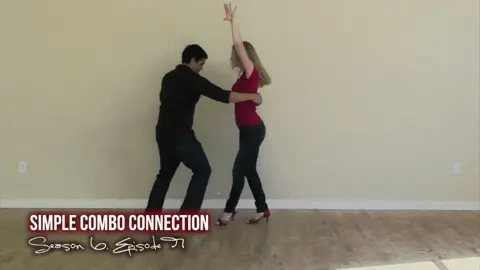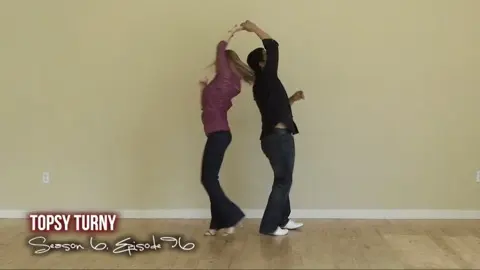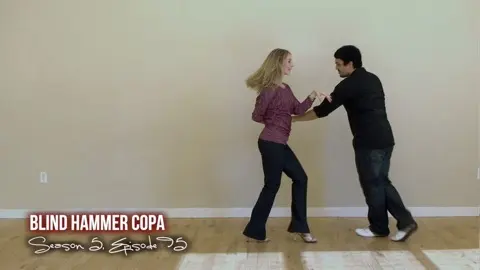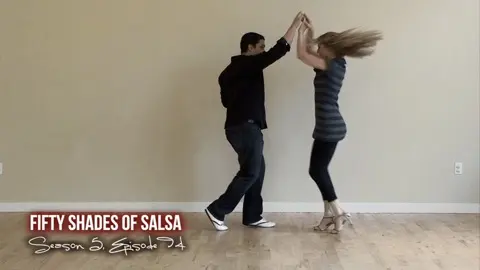
On1 vs On2 in Salsa: Spot the Difference Like a Dancer
"On1 or On2?" is usually asked as a preference question.
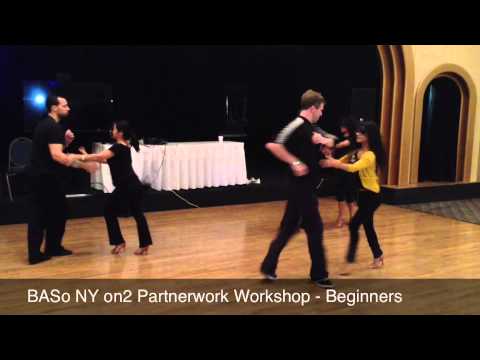
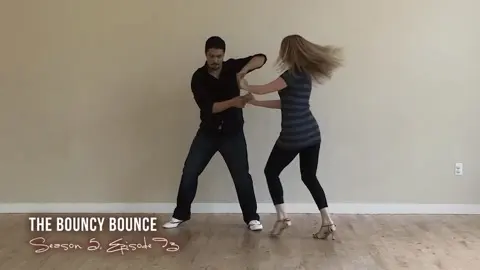
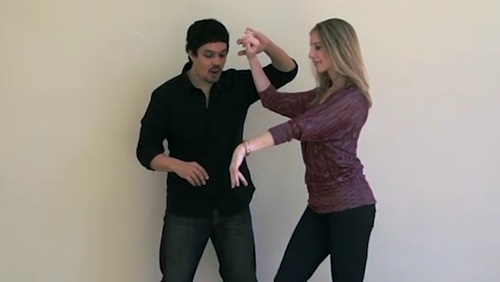
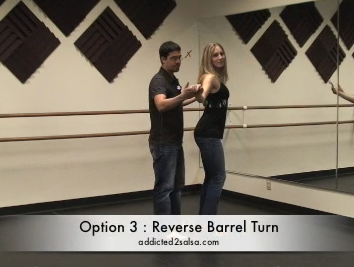
A better version is: what specific movement differences do you see when strong dancers perform similar content on different timing frameworks?
This post is built around observation, not dogma.
Controlled comparison setup
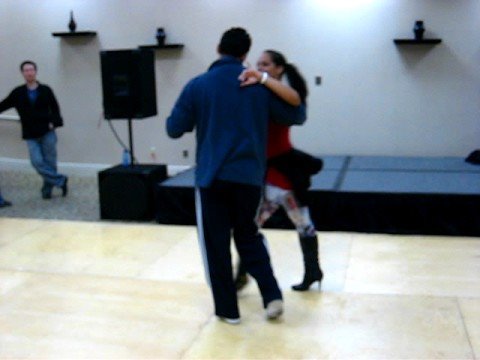
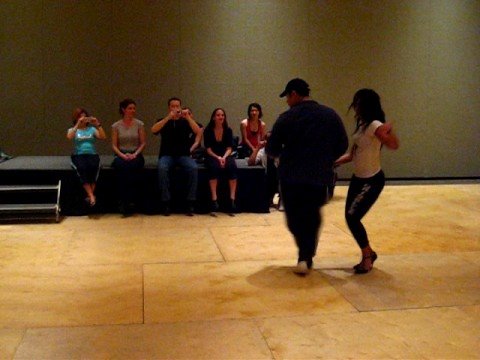
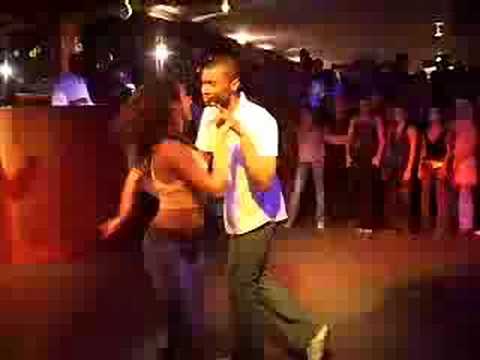
In these clips, you can observe similar environment variables:
- same general event context
- comparable floor conditions
- same follow as a key constant
- related partnerwork vocabulary
The main variable is leader timing approach: On1 vs On2.
What to watch for
1) Positioning through transitions
Watch how each lead organizes body position entering and exiting patterns. Even with similar hand actions, the pathway timing creates a different visual rhythm.
2) Travel distance and compactness
Look at how much space each dancer uses per phrase. One timing may appear to "breathe" differently, changing travel perception.
3) Speed feel vs actual speed
Dancers often confuse "looks faster" with "is faster." Timing placement changes perception. Observe whether acceleration appears earlier or later in phrase motion.
4) Smoothness and phrase continuity
Smoothness is not about fewer moves; it is about how movement resolves into the next count cycle. Pay attention to whether transitions feel clipped or flowing.
5) Musical relationship
Notice where accents land against the song structure. On1 and On2 can hit different emotional points in the same phrase.
Why this matters for social dancers
You do not need to join an On1 vs On2 war to benefit from this.
Understanding both helps you:
- adapt at mixed-timing socials
- improve phrase awareness
- choose timing that supports your musical goals
- communicate better with partners from different scenes
A practical way to study
- Watch each clip once for overall feel.
- Rewatch with one metric only (for example compactness).
- Rewatch with music-focused attention only.
- Test similar movement in your own practice.
That process turns internet debate into actual skill growth.
On1:
On2:
The strongest dancers are usually timing-literate, not timing-tribal.