Salsa Technicals: Why Simplicity in Movement Wins on Social Floors
A lot of dancers chase complexity too early.
They collect big combinations, intricate hand changes, and high-speed turn ideas, then wonder why their social dancing still feels rough. The answer is simple: execution quality beats pattern complexity almost every night.
Simplicity is not "beginner"
Simple movement done well requires control.
It means your timing stays clean, your frame stays stable, your partner feels safe, and your transitions remain musical. That is advanced social value.
Complicated movement done poorly usually looks noisy and feels uncomfortable, no matter how impressive it seems on paper.
The five fundamentals that matter most
1. Smooth motion over abrupt force
If your movement looks jerky, reduce speed and improve path clarity. A clean lead often feels smaller than dancers expect.
2. Partner-first sequencing
The follow must complete her movement before you rush into the next idea. Great leaders control pacing based on partner readiness, not ego.
3. Musical patience
Not every count needs a "move." Pauses, holds, and clean basics can make the dance feel richer than nonstop combinations.
4. Useful styling
Styling should support connection, not block it. If your styling makes the lead unclear, it is not helping.
5. Spin quality, not spin quantity
Yes, many followers enjoy turns. But the priority is prep, axis, and exit timing. Two clean turns beat four unstable ones.
A note on high-level spinning
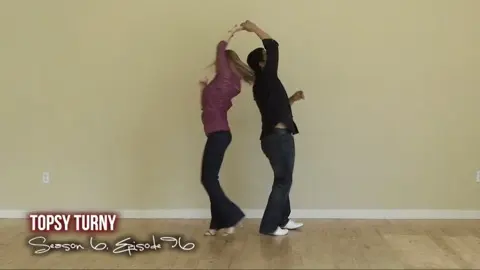
When a spinner accelerates mid-rotation while staying centered and on time, that is real technique. It takes strong axis control, core engagement, and precise spotting strategy.
For social dancers, the lesson is not "spin faster." It is "build cleaner mechanics first."
Quick drill to improve simplicity
Run this at your next practice:
- Dance one full song using only basics, cross-body leads, right turns, and left turns.
- Keep every transition smooth and quiet.
- Film one minute and watch whether your partner pathway stays clear.
- Repeat at slightly higher musical energy without adding move complexity.
If that looks and feels better than your usual dance, you just found your growth path.
Final takeaway
Social dancing rewards dancers who make partners feel good, not dancers who memorize the most patterns.
Simplicity in movement is not a limitation. It is the backbone of elegant salsa.
Build that first, then add complexity with intention.