Salsa Vintage: 'Our Latin Thing' and the Street-Level Roots of Salsa
Some salsa videos entertain you. Others remind you where the music came from.
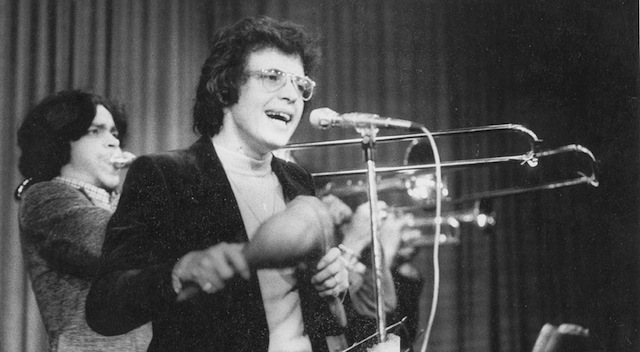
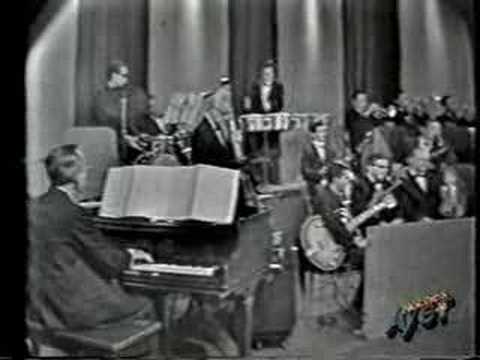
Vintage clips linked to Our Latin Thing (1972) and the broader Fania-era moment show a version of salsa that feels raw, communal, and deeply human. You do not see polished LED stages or heavily branded backdrops. You see neighborhood energy.
Why this footage still hits hard
Salsa as community, not product
You see people gathering in the street, sharing food, celebrating identity, and building culture in public space. The music is not separated from daily life.
Musicians as neighborhood storytellers
The singers and players feel iconic but accessible. The performance dynamic is powerful without feeling distant.
Social context matters
For many Puerto Rican and Latino communities in New York, salsa was not just a party soundtrack. It carried migration stories, pride, struggle, and collective resilience.
Why modern dancers should watch vintage material
Studying these clips can improve more than your history knowledge:
- You understand phrasing and energy arcs from the source culture.
- You gain deeper respect for lyrical content and musical intention.
- You dance with more emotional context, not just technical precision.
When dancers connect to that foundation, musicality often becomes less mechanical and more expressive.
Final takeaway
Vintage salsa is not nostalgia for nostalgia's sake. It is a living reference point for what made salsa powerful in the first place: people, place, rhythm, and shared identity.
If you want to dance salsa with more depth, spend time with the roots.