Salsamania 2006 Team Division Performance: Why This 3rd Place Routine Still Impresses
Some team routines age poorly. This one does not.
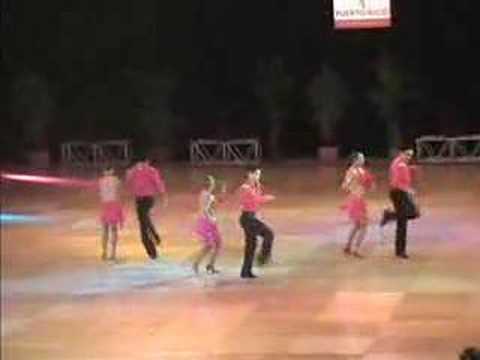
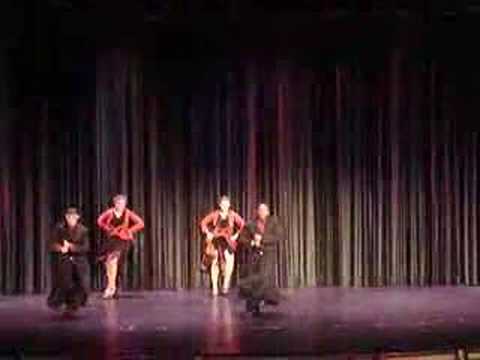
Salsamania’s 2006 Team Division performance still feels sharp because it combines fast execution with clear structure. Even if you disagree with the final placement, the choreography has serious craft.
What jumps out immediately
The first thing you notice is pace. The second is control.
Many teams can move quickly. Fewer teams can stay synchronized at speed while keeping body lines readable and transitions clean. That is where this routine stands out.
Three technical strengths in this performance
1) Musical accents are integrated, not pasted on
The arm and leg gestures track the phrasing instead of feeling random. This helps the choreography look intentional from beginning to end.
2) Men's footwork sections are aggressive but organized
The men's speed moments are impressive because they still preserve shape and timing. Fast does not become sloppy.
3) Group geometry stays coherent
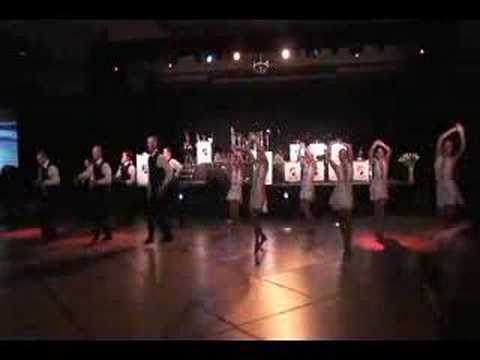
Team routines live or die on spacing. Here, formation clarity supports the choreography instead of distracting from it.
Why placement debates happen in team divisions
Team results are always subjective at some level because judges weigh different priorities:
- raw difficulty,
- synchronization,
- musical interpretation,
- performance quality,
- and overall cleanliness.
So yes, you can love a third-place routine and still understand how rankings happen.
Practical lesson for salsa teams
If your team is training for congress showcases or competition, this clip is a useful reminder:
- Build difficult sections around music, not ego.
- Rehearse transitions as much as highlights.
- Keep synchronization standards high when fatigue kicks in.
A routine becomes memorable when it stays clean under pressure. That is exactly what this performance demonstrates.